
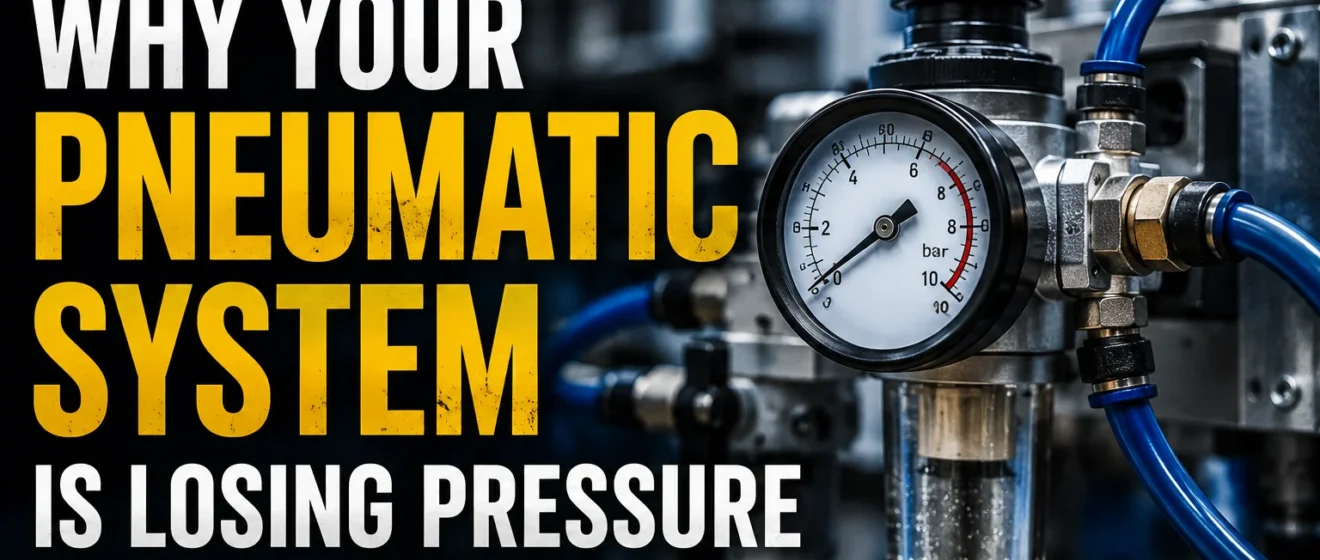
Is your pneumatic system not performing as efficiently as it should? Are you noticing sudden drops in pressure that disrupt your operations? For many industrial facilities in Saudi Arabia, pneumatic systems are the backbone of automated processes, and pressure loss can lead to costly downtime and reduced productivity. In this guide, we’ll explore the common reasons your pneumatic system is losing pressure and practical steps to fix the issue.
Understanding Pneumatic System Pressure
Pneumatic systems rely on compressed air to power machines, tools, and industrial processes. When pressure drops, equipment efficiency suffers, production slows, and energy costs rise. Maintaining consistent pressure is crucial for:
- Smooth operation of air-powered tools and machinery
- Accurate performance of automation systems
- Reducing wear and tear on equipment
- Minimizing energy waste
By understanding what causes pressure loss, you can prevent downtime and save money.
Common Causes of Pressure Loss
1. Leaks in the System
One of the most frequent culprits is air leaks. Even a small leak in hoses, valves, or fittings can significantly reduce system pressure. Common areas to check:
- Hose connections and joints
- Pneumatic cylinder seals
- Valves and regulators
Tip: Use a soap-and-water solution to detect bubbles at leak points or invest in ultrasonic leak detectors for faster detection.
2. Blocked or Dirty Filters
Filters are essential for keeping contaminants out of the system. However, clogged or dirty filters can restrict airflow, causing pressure drops. Ensure regular maintenance:
- Clean or replace air filters according to manufacturer recommendations
- Inspect separator elements for debris buildup
- Avoid over-tightening fittings that may cause partial blockages
3. Moisture in the Air Lines
Moisture accumulation in compressed air lines can reduce pressure and damage components. In humid environments like Saudi Arabia, this is a common problem. Solutions include:
- Installing proper air dryers or moisture separators
- Draining condensate from tanks and lines regularly
- Using corrosion-resistant pipes where necessary
4. Malfunctioning Regulators or Valves
Pressure regulators and control valves maintain consistent airflow and pressure. Malfunctioning devices can allow pressure to fluctuate unpredictably. Regular inspection and calibration are critical.
- Test regulators for correct output pressure
- Replace worn-out valve seals
- Ensure valves are free from blockages and corrosion
5. Excessive Demand or System Overload
Sometimes the issue isn’t a fault but a mismatch. If your pneumatic system is powering more equipment than it was designed for, pressure loss is inevitable. Consider:
- Reassessing the system’s capacity
- Upgrading compressors or adding storage tanks
- Staggering equipment usage to prevent overload
Steps to Fix Pressure Loss
- Inspect for Leaks: Begin with a visual inspection and leak detection tools.
- Check Filters and Moisture Traps: Clean or replace clogged filters and ensure moisture removal systems are functioning.
- Test Regulators and Valves: Ensure they are operating correctly and replace worn components.
- Balance System Demand: Match system capacity to your operational load.
- Routine Maintenance: Regularly schedule inspections to prevent recurring issues.
Preventive Measures
- Implement a maintenance schedule for all pneumatic components
- Train staff to spot early warning signs like unusual noise or decreased tool performance
- Use high-quality hoses, fittings, and seals to reduce wear and leaks
- Monitor system pressure with gauges or digital monitoring systems for real-time alerts
Conclusion
Pressure loss in pneumatic systems can significantly reduce efficiency, increase operational costs and shorten the lifespan of equipment. Common causes include leaks, clogged filters, moisture buildup, malfunctioning valves or system overload. By identifying these issues early and implementing practical solutions, industrial facilities in Saudi Arabia can maintain consistent system pressure, prevent costly downtime, optimize productivity and ensure their pneumatic systems operate safely, reliably and efficiently over the long term.
Contact RoadTRD for more.
FAQs
1. How do I quickly detect leaks in a pneumatic system?
Use a soap-and-water solution or ultrasonic leak detector to identify escaping air.
2. Can moisture really affect system pressure?
Yes, water in air lines can block airflow and damage equipment.
3. How often should filters be replaced?
Follow the manufacturer’s schedule, but check them monthly in high-demand environments.
4. My system seems overloaded. What should I do?
Reduce simultaneous equipment use or upgrade compressors and storage tanks.
5. Are faulty valves easy to fix?
Yes, most issues can be resolved by cleaning, sealing, or replacing worn components.
Take Action Today
Keep your plant running at peak efficiency. Partner with RoadTRD for high-quality spare parts and expert support, maximize productivity and minimize downtime!