
Industrial pumps play a vital role in many sectors, including manufacturing, oil processing, construction, and heavy industrial operations. From moving water and chemicals to handling viscous liquids and fuels, pumps are essential for maintaining smooth and efficient industrial processes.
Choosing the right pump type is critical because each pump is designed for specific fluids, pressures, and operational environments. Understanding the different types of industrial pumps and their applications helps ensure optimal performance and longer equipment life.
Why Industrial Pumps Are Essential
Pumps are used to transfer liquids, slurries, and chemicals from one location to another within industrial systems. A reliable pump ensures:
Consistent production flow
Efficient fluid handling
Reduced system downtime
Improved operational safety
Different industries require different pump technologies depending on the material being handled.
1. Centrifugal Pumps
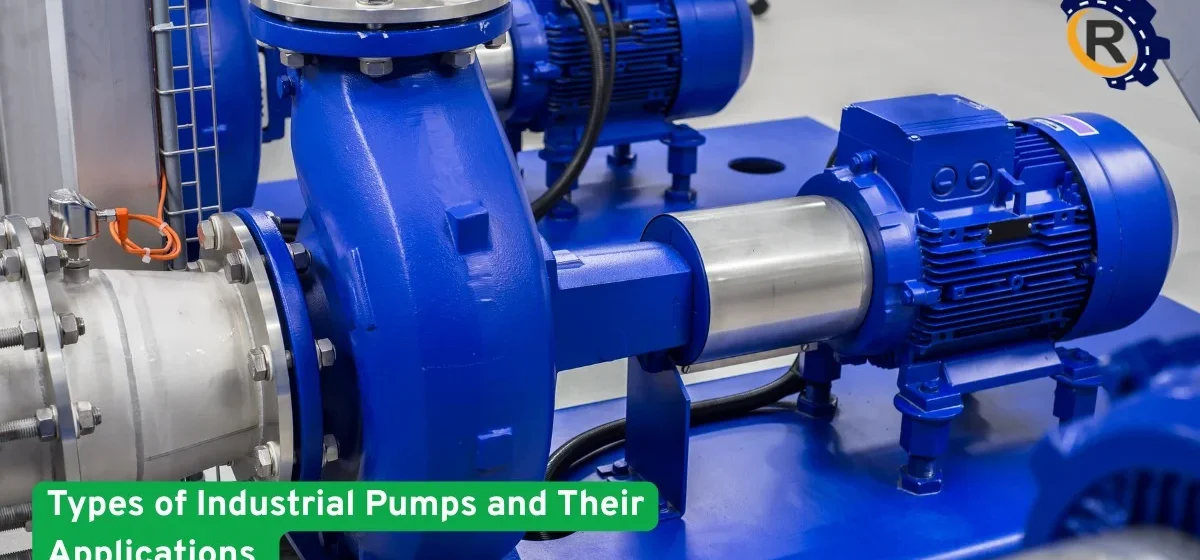
Centrifugal pumps are the most commonly used industrial pumps. They use a rotating impeller to generate centrifugal force that moves fluids through the system.
Common Applications
Water supply systems
Cooling systems
Chemical processing
Oil transfer systems
General industrial fluid movement
These pumps are widely used because they are simple, reliable, and suitable for handling low-viscosity liquids.
2. Positive Displacement Pumps
Positive displacement pumps move fluid by trapping a fixed amount and forcing it through the pump outlet.
Common Applications
High-viscosity fluids
Oil and fuel transfer
Chemical processing plants
Food and pharmaceutical production
These pumps provide consistent flow regardless of pressure changes, making them ideal for precision applications.
3. Gear Pumps
Gear pumps are a type of positive displacement pump that uses rotating gears to move fluids.
Common Applications
Hydraulic systems
Lubrication systems
Oil transfer operations
Fuel handling systems
They are commonly used where precise flow control and steady pressure are required.
4. Diaphragm Pumps
Diaphragm pumps use a flexible diaphragm that moves back and forth to pump fluids.
Common Applications
Chemical transfer
Wastewater treatment
Slurry handling
Corrosive fluid applications
Because the pumped fluid does not come into contact with moving mechanical parts, diaphragm pumps are excellent for handling aggressive or hazardous liquids.
5. Submersible Pumps
Submersible pumps are designed to operate while fully submerged in liquid. They push fluid to the surface rather than pulling it.
Common Applications
Water wells
Drainage systems
Flood control
Sewage pumping
Their sealed design prevents motor damage and allows efficient operation in submerged conditions.
6. Screw Pumps
Screw pumps use rotating screws to move fluids smoothly through the pump.
Common Applications
Heavy oils and viscous liquids
Industrial lubrication systems
Petrochemical processing
Sludge transfer
These pumps provide a smooth, continuous flow and are suitable for thick or sensitive fluids.
Choosing the Right Pump for Your Application
Selecting the correct pump depends on several important factors:
Type of fluid being handled
Fluid viscosity and temperature
Required flow rate and pressure
Operating environment
Maintenance requirements
Consulting an experienced industrial spare parts supplier can help ensure that the selected pump meets the exact requirements of your system.
Industries That Use Industrial Pumps
Industrial pumps are widely used in:
Manufacturing plants
Oil and petrochemical facilities
Asphalt and concrete batching plants
Water treatment plants
Food and beverage processing
Mining and construction operations
Each industry requires reliable pump systems to maintain consistent and safe operations.
Conclusion
Industrial pumps are essential components in modern industrial systems. From centrifugal pumps for general fluid transfer to specialized pumps for viscous or corrosive liquids, each pump type serves a unique purpose.
Understanding the different pump types and their applications helps businesses choose the right equipment, reduce downtime, and improve operational efficiency.
Working with a trusted supplier ensures access to quality pumps, technical expertise, and reliable support for long-term industrial operations.
Frequently Asked Questions
Q1: Which industrial pump is most commonly used?
Centrifugal pumps are the most widely used pumps for general industrial fluid transfer.
Q2: What pump is best for thick or viscous liquids?
Positive displacement pumps, such as gear pumps or screw pumps, are ideal for handling high-viscosity fluids.
Q3: Are submersible pumps suitable for industrial use?
Yes, submersible pumps are commonly used for drainage, wastewater handling, and underground water systems.
Call To Action
Looking for high-quality industrial pumps and spare parts in Saudi Arabia?
Visit RoadTRD for reliable pump solutions, expert technical guidance, and fast supply for your industrial and plant equipment needs.