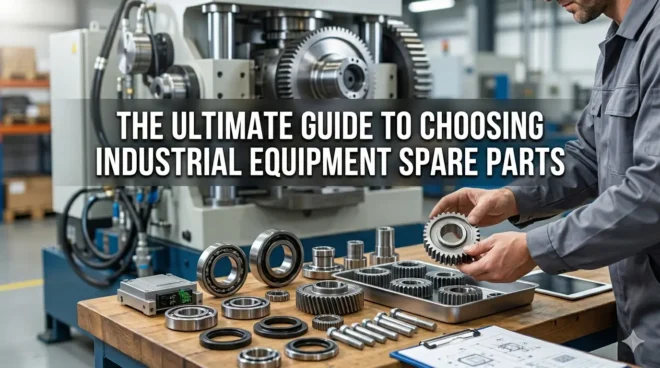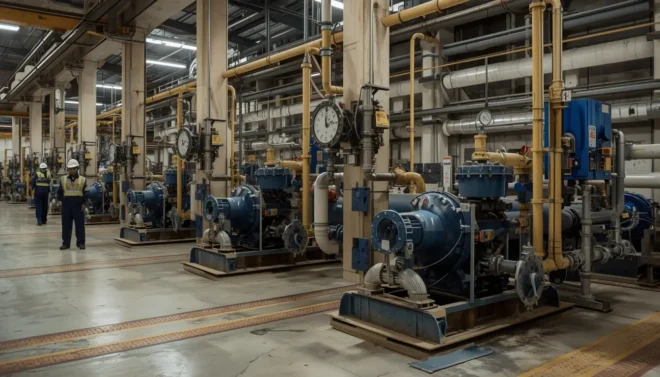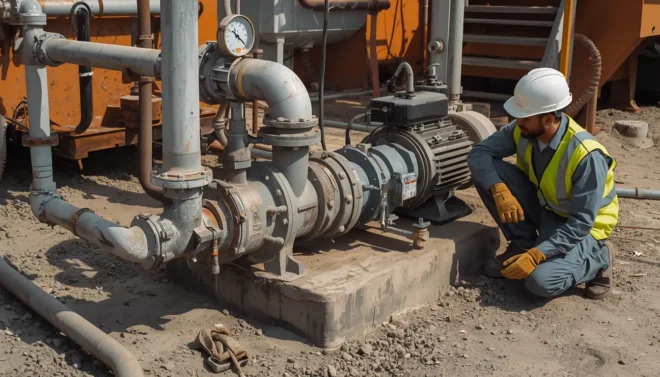

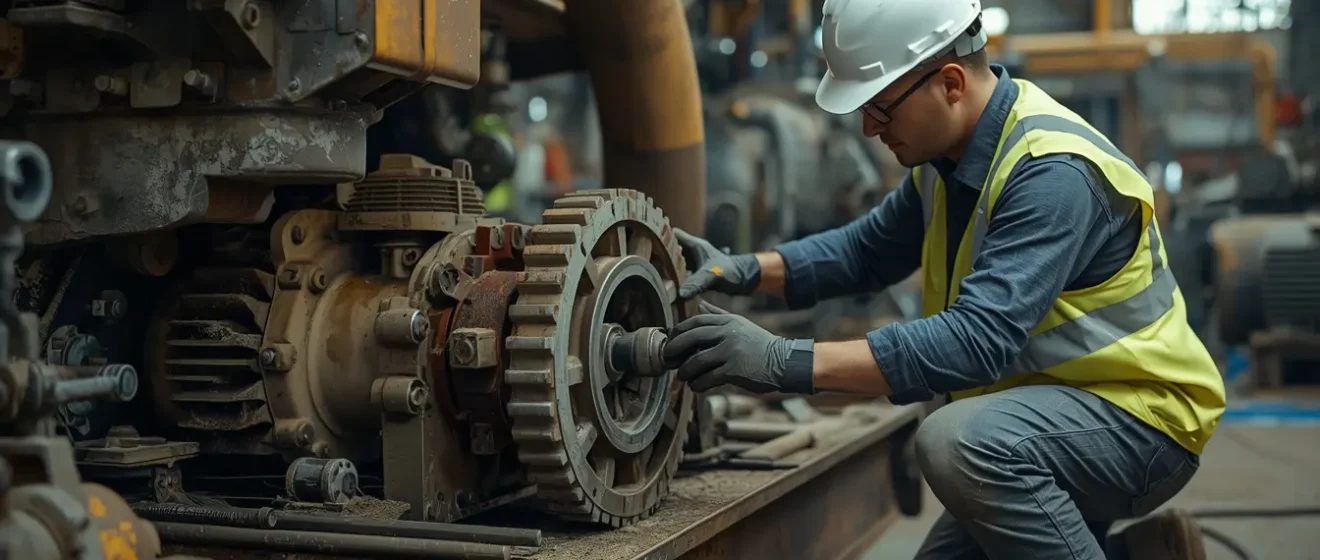
Have you ever faced unexpected equipment failure right after replacing a spare part? This is a common issue in industrial operations—and often, the root cause is using non-OEM components. In industries across Saudi Arabia, where machinery runs under heavy loads and demanding conditions, choosing the right spare parts is critical for performance, safety, and cost control.
Understanding why OEM spare parts matter can help businesses avoid downtime, reduce long-term costs, and ensure reliable operations.
What Are OEM Spare Parts?
OEM stands for Original Equipment Manufacturer. OEM spare parts are components made by the same manufacturer that originally produced the equipment.
These parts are:
- Designed specifically for your machine
- Built to exact specifications
- Tested for performance and durability
- Fully compatible with the original system
Unlike generic or aftermarket parts, OEM components guarantee a perfect fit and reliable operation.
Why OEM Spare Parts Are Important
Using OEM parts is not just about brand preference—it’s about ensuring efficiency, safety, and long-term value.
1. Perfect Fit and Compatibility
OEM parts are engineered to match your equipment exactly. This eliminates the risk of:
- Improper installation
- Misalignment
- Reduced performance
A perfect fit ensures smooth operation and prevents unnecessary strain on the machine.
2. Higher Reliability and Performance
Industrial equipment in Saudi Arabia often operates in harsh conditions such as high temperatures and dust. OEM parts are built to handle these environments.
Benefits include:
- Consistent performance
- Reduced breakdown risk
- Stable operation under heavy loads
This reliability is essential for industries like asphalt plants, concrete plants, and manufacturing facilities.
3. Longer Equipment Lifespan
Using non-OEM parts can lead to premature wear and damage to other components.
OEM parts help:
- Protect critical machine components
- Reduce internal stress and friction
- Extend the overall lifespan of equipment
In the long run, this reduces the need for frequent replacements and major repairs.
4. Improved Safety Standards
Safety is a top priority in industrial operations. OEM spare parts are manufactured according to strict safety standards.
They reduce risks such as:
- Equipment failure
- Leakage or pressure issues
- Unexpected shutdowns
Using genuine parts ensures your machinery operates safely and reliably.
5. Lower Long-Term Costs
While OEM parts may seem more expensive initially, they often save money over time.
Here’s how:
- Fewer breakdowns
- Lower maintenance costs
- Reduced downtime
- Better energy efficiency
Cheap aftermarket parts may lead to frequent repairs, which can increase overall expenses.
6. Warranty Protection
Many equipment manufacturers require the use of OEM parts to maintain warranty coverage.
Using non-OEM parts can:
- Void your warranty
- Increase repair costs
- Limit support from manufacturers
OEM parts ensure your warranty remains valid and protected.
OEM vs Aftermarket Parts: What’s the Difference?
Understanding the difference helps in making the right decision.
OEM Parts
- Made by original manufacturer
- Guaranteed compatibility
- Higher reliability
- Longer lifespan
Aftermarket Parts
- Made by third-party manufacturers
- Variable quality
- May not fit perfectly
- Higher risk of failure
While aftermarket parts may be cheaper, they often compromise quality and performance.
When Should You Always Choose OEM Parts?
OEM spare parts are especially important in critical applications such as:
- High-load industrial machinery
- Asphalt and concrete plants
- Crusher equipment
- Hydraulic and pumping systems
- Safety-critical components
In these situations, reliability is non-negotiable.
The Role of OEM Parts in Industrial Efficiency
Using OEM parts contributes directly to operational efficiency.
They help:
- Maintain consistent production
- Reduce unexpected downtime
- Improve energy efficiency
- Ensure smooth system performance
For industries in Saudi Arabia aiming to optimize operations, OEM components are a smart investment.
Conclusion
Choosing OEM spare parts is one of the most important decisions for maintaining industrial equipment. While non-OEM parts may seem cost-effective initially, they often lead to higher long-term expenses, increased downtime, and safety risks.
OEM parts provide reliability, performance, and peace of mind—ensuring your equipment operates at its best in demanding environments.
For trusted industrial spare parts and expert solutions, contact RoadTRD to keep your operations efficient and reliable—explore their range for quality you can depend on.
Frequently Asked Questions
1. What does OEM mean in spare parts?
OEM stands for Original Equipment Manufacturer, meaning the parts are made by the original machine manufacturer.
2. Are OEM parts better than aftermarket parts?
Yes, OEM parts offer better compatibility, reliability, and performance.
3. Do OEM parts last longer?
Generally, yes. They are designed specifically for the equipment, ensuring durability.
4. Can aftermarket parts damage equipment?
In some cases, poor-quality aftermarket parts can cause wear or system failure.
5. Are OEM parts worth the cost?
Yes, they reduce maintenance costs and improve long-term efficiency.
Call to Action
Don’t compromise on quality when it comes to your industrial equipment. Choose reliable, high-performance OEM spare parts from RoadTRD and ensure smooth, efficient operations across your facility in Saudi Arabia.